
Tackling Challenges in Agile Environments
Agile methodologies promise flexibility, collaboration, and faster delivery, but transitioning to this way of working isn’t always smooth. Teams often face hurdles like adapting to constant changes, balancing speed with quality, fostering collaboration, and managing evolving requirements. Let’s explore how these challenges manifest and the strategies to overcome them.
Contents
Adapting to Change
One of the core principles of agile is embracing change, but this can be daunting for teams unaccustomed to its fast-paced nature. Estimating work accurately and planning capacity is a common struggle, as much of the work’s complexity only becomes clear once underway. This often leads to missed deadlines and frustration. Additionally, new team members or frequent personnel changes can slow progress, as it takes time to align everyone with agile principles. Cross-functional collaboration adds another layer of complexity. Agile depends on breaking down silos, yet ensuring seamless communication across roles and departments can be challenging, especially when team members have specialized focuses.
To remain flexible amidst changing priorities, teams rely on iterative planning. Short sprint cycles, typically two weeks, enable quick course corrections based on new findings or shifting dependencies. Open communication is another vital component. Regular check-ins with stakeholders and within the team help maintain alignment, uncover risks early, and create a safe environment where everyone feels empowered to speak up. Trusting the team to make decisions within their scope also promotes accountability and responsiveness.
Balancing Speed and Quality
Agile teams often grapple with the trade-off between delivering quickly and maintaining high-quality outcomes. Without clear expectations, the pressure to release faster can lead to technical debt and lower standards. To address this, teams define a solid “definition of done” that includes quality benchmarks from the start. Automated testing plays a crucial role, catching issues early without compromising delivery speed. Breaking work into smaller, manageable tasks also allows teams to deliver incremental value while keeping quality in check.
Feedback loops further enhance quality. Sprint reviews and retrospectives are key for continuous improvement, while practices like pair programming and code reviews help maintain technical standards. These methods not only reduce errors but also foster knowledge sharing among team members.
Building Collaboration and Managing Unclear Requirements
Strong collaboration is at the heart of agile. Developers, testers, and product owners must work closely from the planning stages through to delivery. Frequent communication is essential to ensure everyone understands the project’s goals and requirements. Tools like JIRA, Confluence, and team-specific chat channels facilitate transparency and keep the entire team aligned. Daily stand-ups and retrospectives provide opportunities to address blockers and improve team dynamics.
When requirements are vague or constantly evolving, agile teams turn to incremental delivery. By breaking down work into smaller pieces and seeking regular feedback from stakeholders, they can refine their approach and stay aligned with evolving needs. Techniques like “spikes” (brief research tasks) allow teams to explore solutions before committing to full implementation. Clear user stories with defined acceptance criteria further clarify priorities, while thorough documentation ensures continuity even as the project evolves.
Measuring Success and Driving Improvement
Success in agile isn’t just about delivering on time—it’s about delivering value. Teams assess their impact through customer feedback, feature usage, and business metrics, ensuring their work meets real needs. Continuous improvement is baked into the process through retrospectives, where teams identify and experiment with changes to enhance workflows. A culture of learning, supported by documentation and open discussions, helps preserve lessons and refine future processes.
Agile environments are complex, but by focusing on adaptability, collaboration, and quality, teams can navigate challenges and unlock the full potential of this approach. The journey may be demanding, but the rewards—better products, stronger teams, and greater responsiveness—are well worth it.
Related articles
Alexandra Texeira, Vera Figueiredo
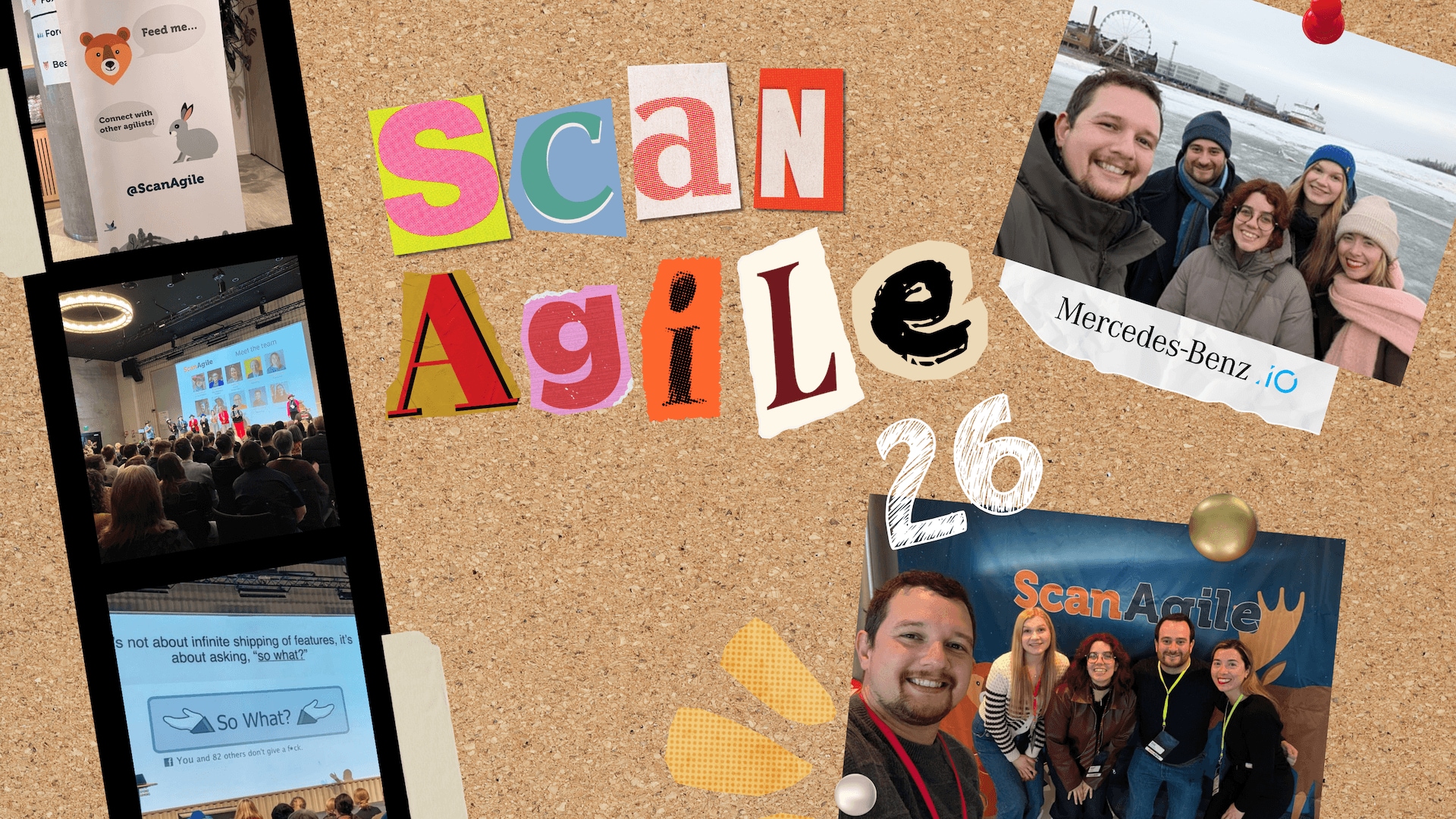
ScanAgile 2026: What Our MB.ioneers Brought Back on Agility, AI and Shared Ownership
At ScanAgile 2026, Vera Figueiredo (Scrum Master) and Alexandra Teixeira (Product Owner) explored what agility at scale really means today. Coming from different roles but facing similar complexity, they’ve returned with insights that connect systems thinking, emerging technology and the very human reality of product leadership.
Apr 17, 2026

Luca Celauro
From Firefighting to Prevention: What Incident Management Is Really About
When something breaks in production, the clock starts ticking. Revenue, customer trust and internal confidence are all on the line. In those moments, Incident Management feels like a race against time and rightly so. But, for Luca Celauro, Service Manager, restoring service is only the beginning of the story.
Apr 14, 2026

Patricia Fernandes
What If Tech Isn’t Changing Everything?
When you work in social media, you get used to a certain kind of language very quickly. A new feature appears and suddenly it is something brands need to take seriously. A new format gains traction and becomes the next big shift. A new tool enters the workflow and is almost immediately described as transformative. Then the next update comes, the next urgency starts, and the cycle repeats.
Apr 10, 2026