
What Makes a Great Scrum Master Today
Vera Figueiredo and Débora Vicente are Scrum Masters at Mercedes-Benz.io. While they bring different backgrounds and perspectives to the role, both share a common goal: helping teams grow, collaborate effectively, and deliver meaningful value. Their reflections offer a practical view of what great Scrum Mastery looks like today.

Vera Figueiredo
She studied music many years ago, even performing in Casino da Póvoa.

Débora Vicente
She is passionate about photography, and loves creating physical albums.
Contents
Beyond the Framework
The Scrum Master role has evolved significantly over the years. While facilitating ceremonies and supporting Scrum adoption remain important, the role now extends far beyond process. Modern Scrum Masters help teams navigate complexity, improve collaboration, and create the conditions for sustainable performance.
Their impact is not limited to the team itself. It often requires understanding of the wider organisational system: the dependencies, priorities, and human dynamics that influence how work gets done. As Vera Figueiredo explains:
Today, the role is no longer just about protecting the Scrum framework. It is about enabling sustainable performance and helping teams navigate complexity.
For Débora Vicente, effectiveness starts with something more fundamental: being present. Active listening, empathy, and a genuine commitment to supporting the team create the trust needed for people to grow and take ownership of their work. As she puts it:
From my experience, a great Scrum Master is empathetic, an active listener, and proactive.
Together, these perspectives highlight how Scrum Mastery has become a balance between systems thinking and people enablement. Success is measured less by adherence to a framework and more by the environment teams are able to create and sustain.
Building Long-Term Impact
Long-term effectiveness is shaped by habits rather than isolated actions. The most effective Scrum Masters develop behaviours that influence how teams collaborate, learn, and grow over time.
Deep listening helps uncover what is not being said. Curiosity encourages continuous learning and adaptation. Constructive challenge prevents teams from settling for comfortable solutions, while psychological safety creates space for honest conversations and growth. These habits may seem simple, but their impact is significant. Consistency builds trust, and trust enables stronger collaboration, greater ownership, and better decision-making.
An important part of that growth is knowing when not to intervene. For many Scrum Masters, the instinct is to solve problems on behalf of the team. Long-term impact comes from resisting that urge and helping people develop the confidence to solve challenges themselves. Débora Vicente highlights this shift:
We often want to help so much that we take ownership of every problem ourselves… but coaching the team is what creates autonomy.
Reflection as a Growth Practice
While experience is valuable, growth does not happen automatically. One of the most overlooked aspects of the role is creating space to reflect, learn, and continuously improve.
Reflection is what transforms experience into learning. Simply spending years in the role does not guarantee development. Growth comes from examining situations intentionally, seeking feedback, and adjusting behaviours over time. Vera Figueiredo captures this idea clearly.
This discipline becomes especially important in fast-moving environments, where operational demands can easily take over. Without intentional reflection, coaching risks becoming reactive rather than strategic, and opportunities for improvement may go unnoticed.
Looking Ahead: Focus on Impact, Not Perfection
Technology is becoming an increasingly valuable part of the Scrum Master’s toolkit. AI can help surface insights, support facilitation, and reduce repetitive work, creating more time for higher-value activities.
The goal, however, is not to replace human interaction. It is to strengthen it, freeing Scrum Masters to focus on what matters most: meaningful conversations, collaboration, critical thinking, and team growth.
Ultimately, great Scrum Masters are not defined by perfect ceremonies or flawless processes. Their impact is reflected in teams that become more autonomous, resilient, and capable of navigating change.
While Vera Figueiredo emphasises systems thinking, long-term impact, and the discipline of continuous reflection, Débora Vicente reminds us that meaningful change starts with empathy, presence, and a genuine commitment to helping others grow.
Together, their perspectives show that great Scrum Mastery is both strategic and human: creating the conditions for teams to succeed today while helping them become stronger for tomorrow.
Related articles
Pedro Henriques, Ricardo Mano, +1
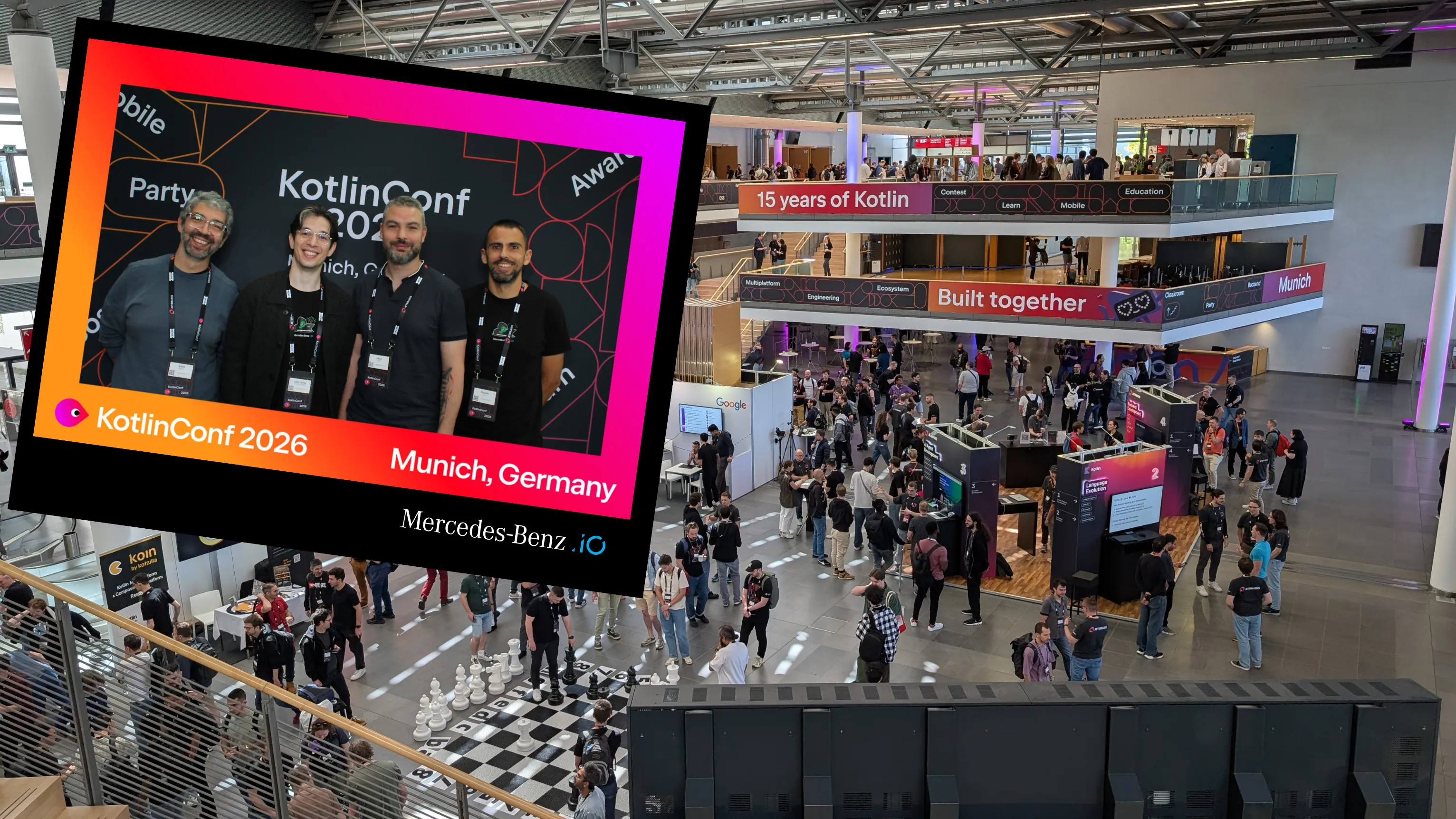
KotlinConf 2026: When Type Safety Meets Intelligent Systems
What happens when a language built on clarity and reliability meets a setting driven by AI and speed?
Jun 23, 2026
Karla Silva
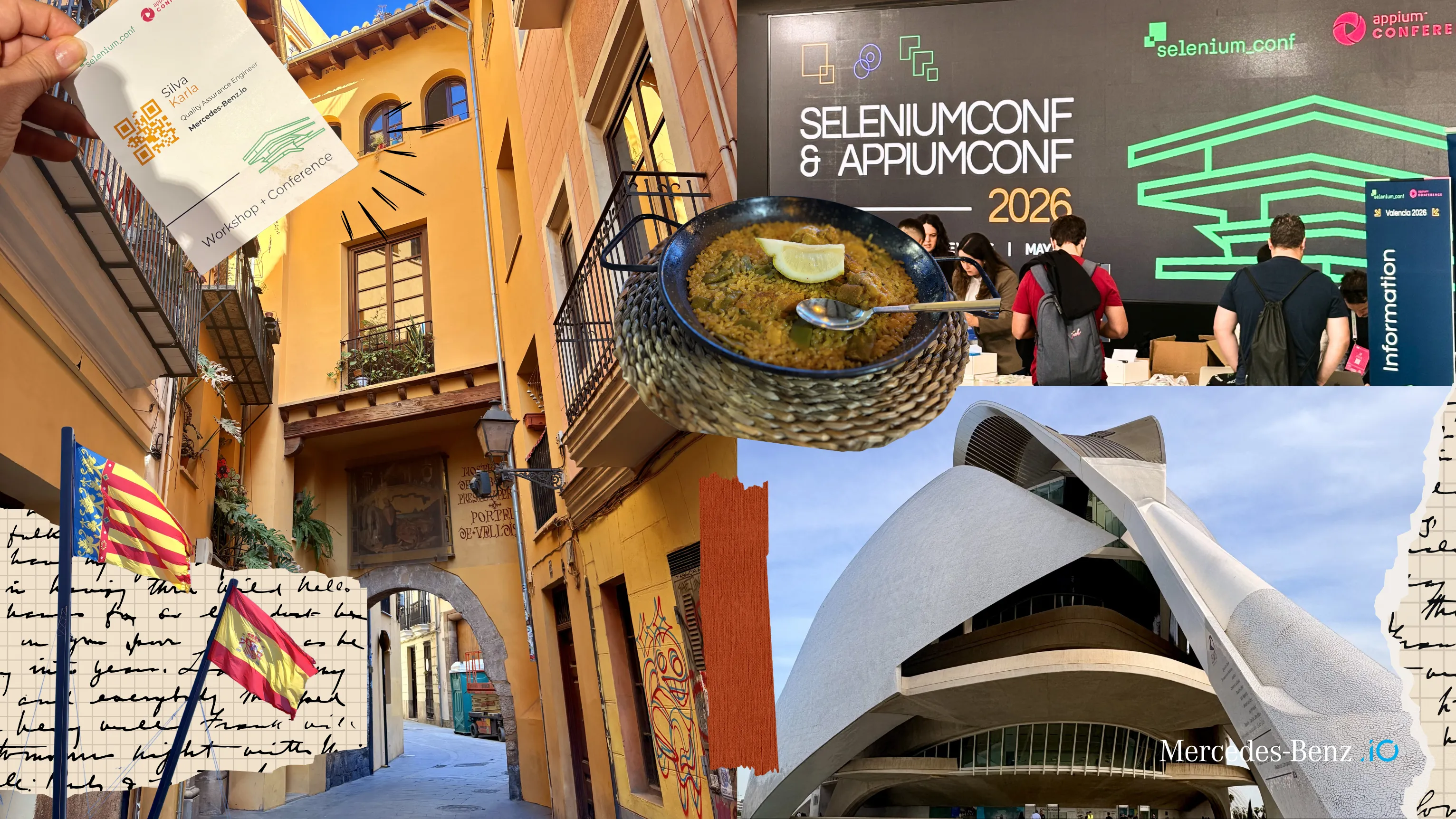
Selenium Conference 2026: AI, BiDi, and the Future of Test Automation
From May 6 to 8, the Selenium and Appium Conference took place in Valencia, bringing together the global automation community for three days of technical discussions and knowledge sharing. Built by the community and for
Jun 12, 2026

Alexandra Teixeira
The Art of the Juggle: Balancing Business, Team and Ownership as a Product Owner
Being a Product Owner (PO) often feels like standing at the centre of multiple worlds at once. There's the business, moving fast and reacting to market pressure; and also, the team, deeply invested in the product, armed
Jun 9, 2026