
When Roles Shift: A Moment of Ownership and A Lesson in Leadership
What happens when you suddenly must step up and take the lead? When the roadmap is still fuzzy, decisions can’t wait, and everyone in the room is looking to you wondering what’s next?
That’s exactly what happened to Vera Figueiredo. As a Scrum Master, Vera is used to guiding teams through complexity. But during PI Planning, when the Product Owner (PO) unfortunately couldn’t attend, she was asked to temporarily step in. Just for that moment. Just until the planning was over.
Still, what followed shaped her understanding of decision-making, product thinking, and what it really means to lead in uncertainty.
Contents
A Temporary Hat with Real Pressure
PI Planning is fast-paced, high-pressure and it doesn’t work without preparation. Vera had to catch up fast. And stepping in as a temporary PO meant she was juggling stakeholder perspectives, connecting context she hadn’t been part of, and prioritizing features on the fly.
“My very first thought was a mix of fear, excitement, responsibility, and pressure,” she recalls. “I hadn’t been in the previous alignment conversations, and now I had to make decisions with real impact.”
She moved from a facilitation mindset to an ownership one. From guiding others, to providing direction herself. It was uncomfortable. It was energising. It was a crash course in product leadership.
There’s no perfect decision, just the one you can stand behind, with context and intention.
What You Learn When You Step In
The experience changed the way Vera thinks about the product and about the people behind it. She saw how crucial it is to balance clarity with speed, to weigh trade-offs with incomplete information, and to make space for honesty along the way.
- Empathy for complexity: Balancing business goals, technical input, and user needs is no small feat and rarely black and white.
- Communication as alignment: “I don’t know yet” is a powerful sentence when paired with a plan.
- Support makes it possible: Coaching from the PO and trust from the team made stepping in not only possible, but successful.
She didn’t need to have all the answers. She needed to ask the right questions, stay composed, and communicate clearly.
Recognition vs. Impact
After all was said and done, Vera reflected on the aftermath of taking the extra responsibility: “Taking on extra responsibility doesn’t always bring recognition. And that can weigh heavily.”
However, something else came through, something that fuelled her motivation: impact. Helping the team stay aligned. Clarifying next steps. Supporting decision-making with confidence and care. All of these moments made her recognised he impact she had.
She also learned to manage her own expectations. Her background in management and auditing gave her high standards, sometimes too high. But by softening those assumptions, she found space for more compassion, more patience, and more trust in the quiet progress being made.
Even temporary experiences like this can teach you resilience, decision-making under uncertainty, and new ways to support a team.
A Quiet Kind of Leadership
At the end of the day, it was about stepping in when it mattered most and discovering what she was capable of in the process.
Leadership doesn’t always come with a title. Sometimes it looks like showing up in ambiguity, making decisions with care, and giving your team what they need, even when you don’t feel fully ready.
In those moments, confidence grows. Trust deepens. And the team sees what quiet leadership really looks like: adaptable, curious, resilient.
Because sometimes the work that stretches you the most doesn’t change your title, but it changes your perspective forever.
Related articles
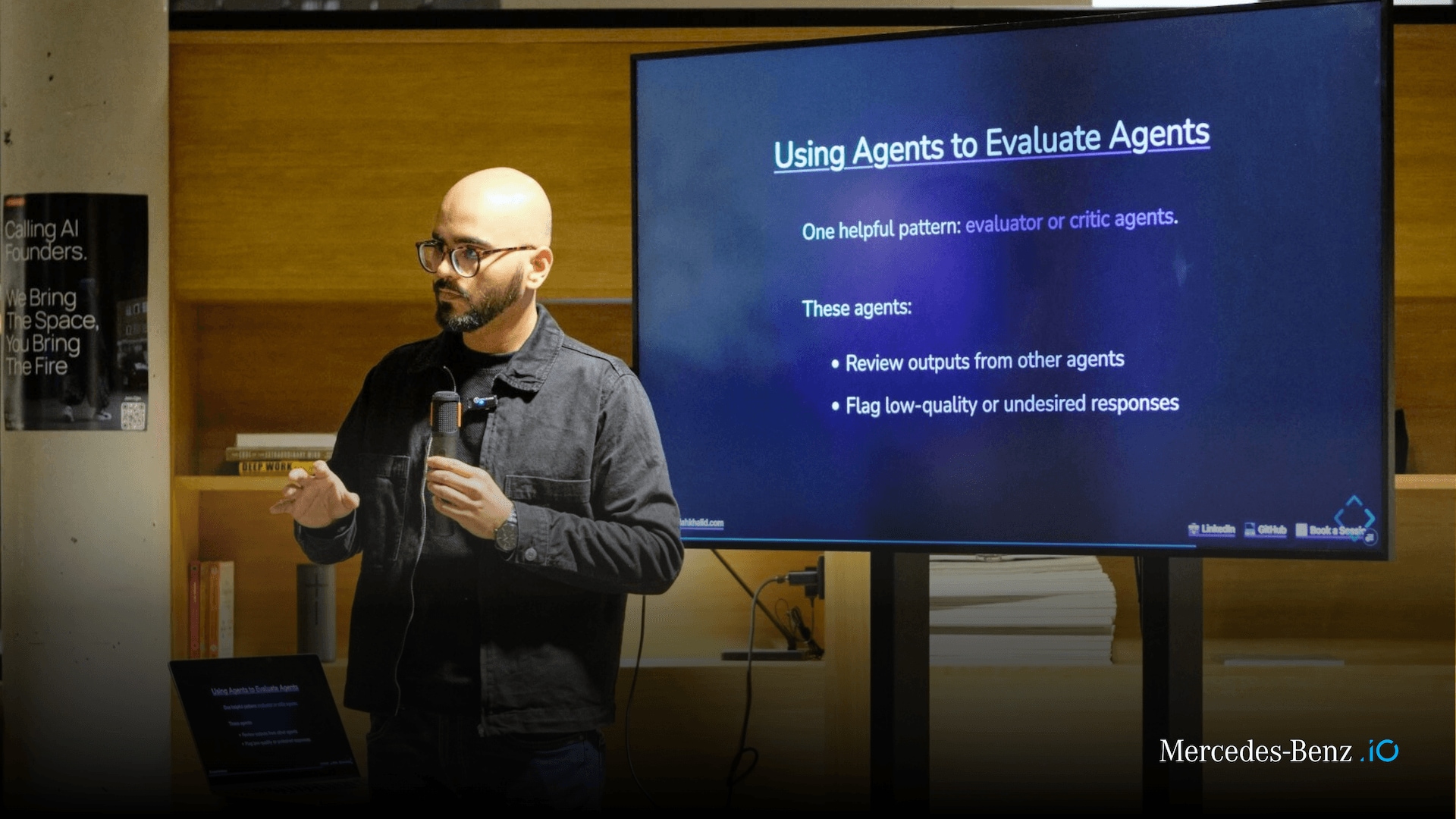
Asad Ullah Khalid
From Curiosity to Architecture: Asad’s Journey into Real‑World Multi‑Agent AI Systems
Artificial Intelligence (AI) is evolving rapidly, moving far beyond simple prompt‑response interactions toward systems capable of planning, acting and collaborating with increasing autonomy. At Mercedes‑Benz.io, our MB.ioneers explore how these capabilities shape the future of digital products, architecture and engineering practices.
Feb 27, 2026
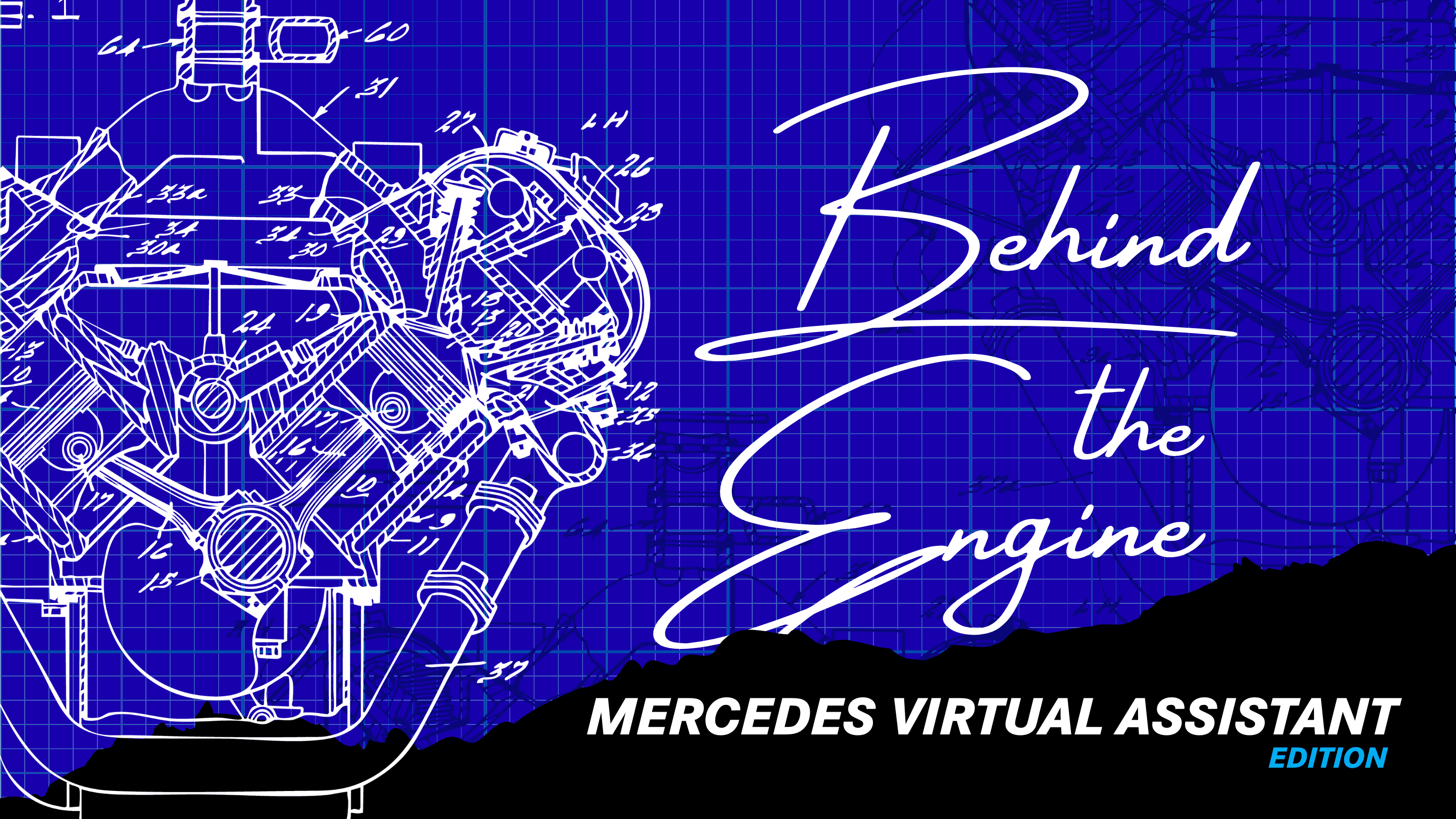
Vanessa Costa
Behind the Engine: How the Mercedes Virtual Assistant Is Transforming Online Vehicle Shopping
Welcome to the third edition of our Behind the Engine series, where we take a closer look at the digital products powering the Mercedes‑Benz experience. This time, we’re stepping into the world of conversational commerce to explore a product that’s changing how customers search for and discover vehicles online: the Mercedes Virtual Assistant (MVA).
Feb 24, 2026
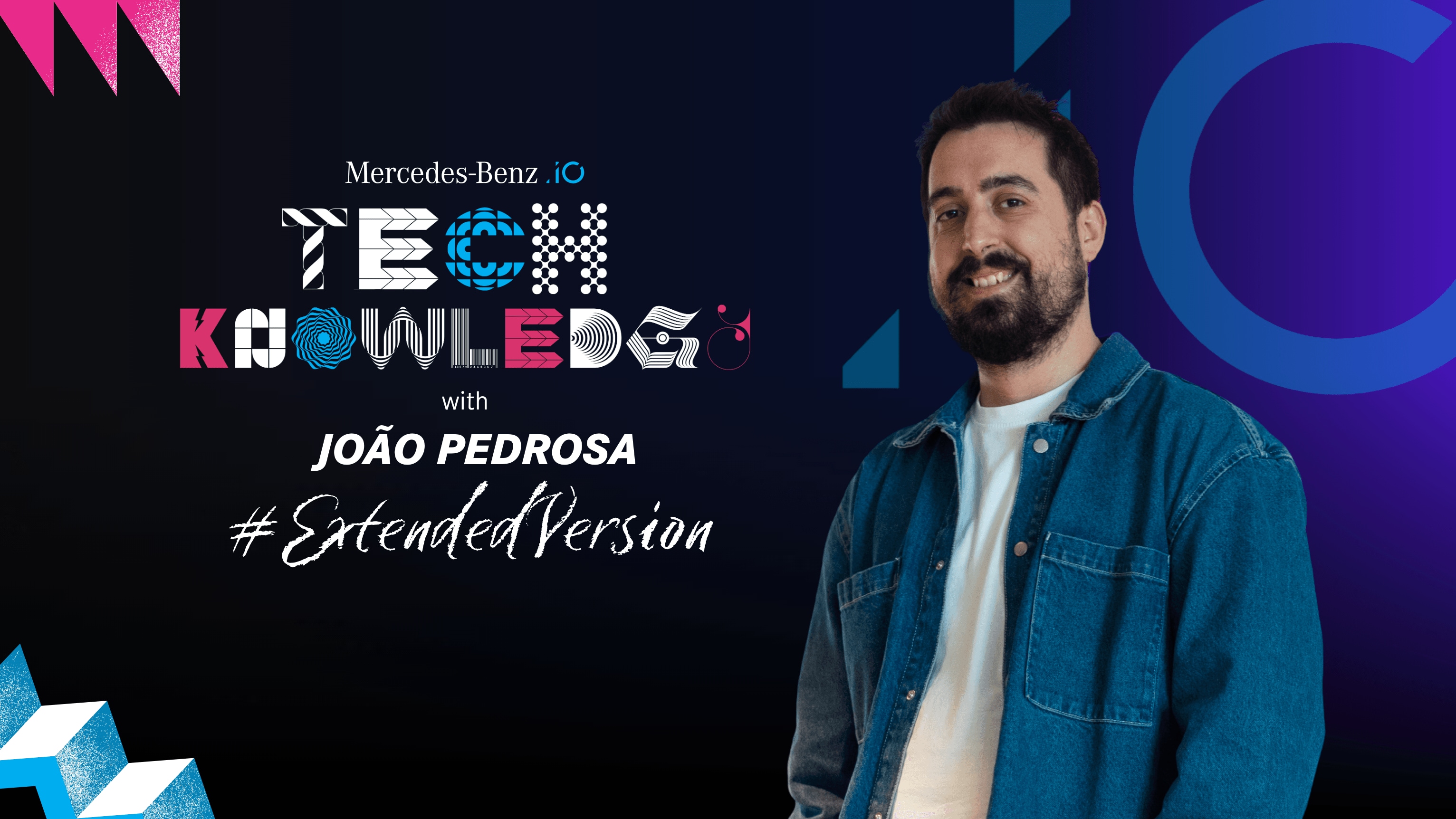
João Pedrosa
Beyond the Screen: Navigating the Shifting Landscape of Mobile
If there's one thing Mobile Engineering teaches, it's that the ground is always moving. For João Pedrosa, working in mobile means navigating a setting where tools evolve overnight, platforms reshape themselves frequently, and users expect more with every tap. What appears simple on the surface hides a complex world of design, architecture, collaboration, and continuous learning.
Feb 20, 2026